Dave MOeller
Professor (he/him)
B.A. Washington University in St. Louis
Ph.D. Cornell University
Dave is interested in evolutionary processes and population biology in plants, especially through an ecological lens. Current work in the lab is particularly focused on the evolution and ecology of species’ geographic ranges, mechanisms of speciation, and biological invasions. [CV]
Shelley Sianta
Postdoc (she/her)
B.S. Colorado State.
Ph.D. U. of California Santa Cruz
For her Ph.D., Shelley examined plant speciation and adaptation to serpentine soils. For her postdoc, she is working (in collaboration with Yaniv Brandvain) on the population genomics of speciation and introgression in Clarkia.
Lauren Carley
Postdoc (she/her)
B.A. Reed College
Ph.D. Duke University
For her Ph.D., she worked on the ecological genetics of plant defense and local adaptation in Boechera. For her postdoc, she is examining the role of local adaptation and character displacement in reproductive isolation between sister Clarkia taxa. [website]
Aidan Harrington
Ph.D. Candidate (he/him)
B.A. Colgate University
As an undergraduate, Aidan worked on fern mating systems and gametophyte ecophysiology. For his Ph.D. research, Aidan is interested in the origins and establishment of polyploids and the consequences of whole-genome duplication for niche breadth and geographic ranges in Clarkia.
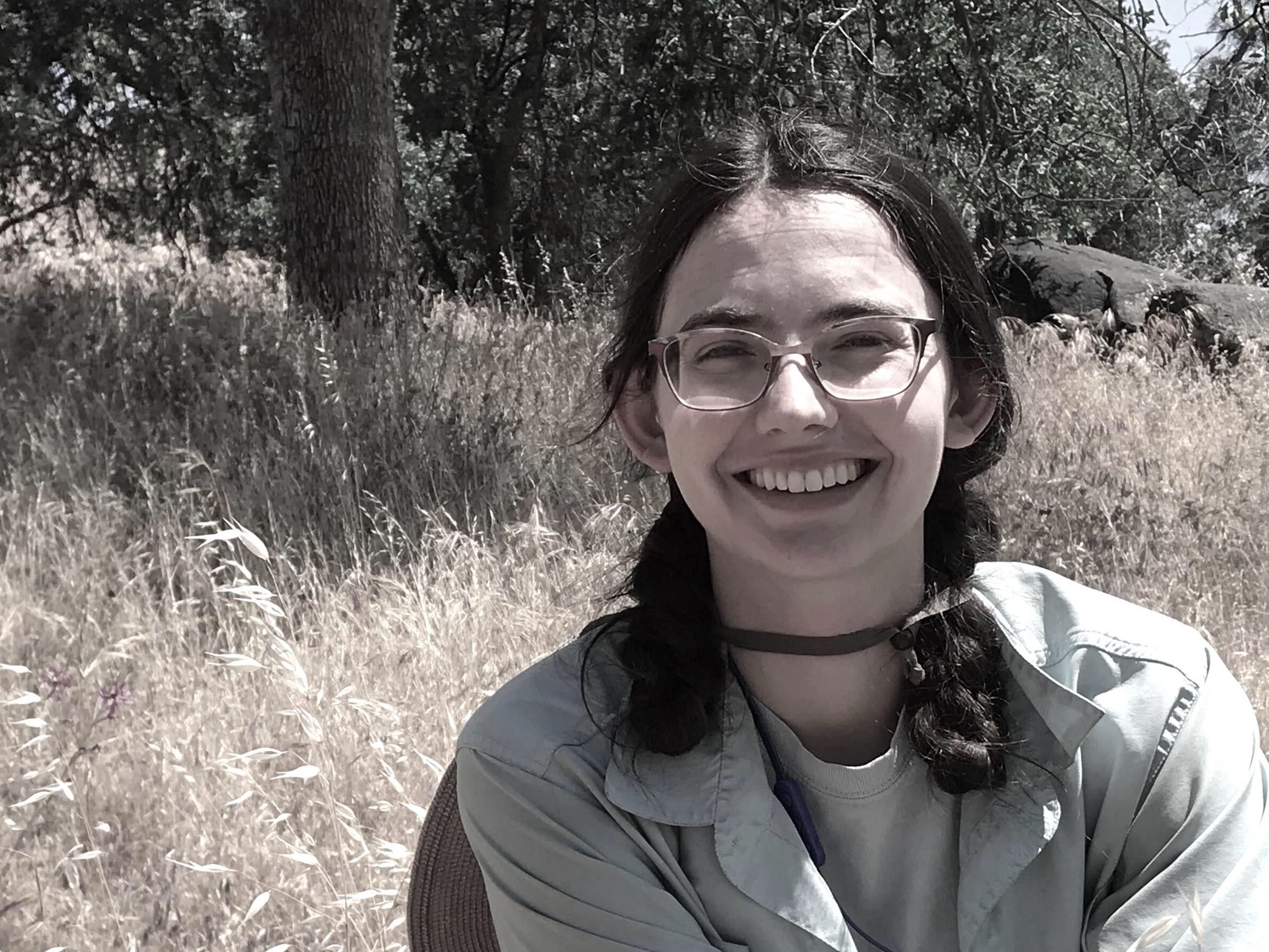
Brooke Kern
Ph.D. Candidate (she/her)
B.S. U. of Montana
Brooke worked on floral evolution and speciation in Mimulus as an undergraduate. She is continuing this line of work for her Ph.D., where she is examining the role of character displacement in floral and mating system traits in reproductive isolation between sister Clarkia taxa that differ in mating system.

Taz Mueller
Ph.D. Candidate (they/them)
B.A. Smith College
Prior to coming to UMN, Tax examined the role of plant-microbe interactions in plant range shifts in response to climate change. They are now asking how genetic x environment interactions modulate the assembly of fungal endophyte communities in Clarkia.
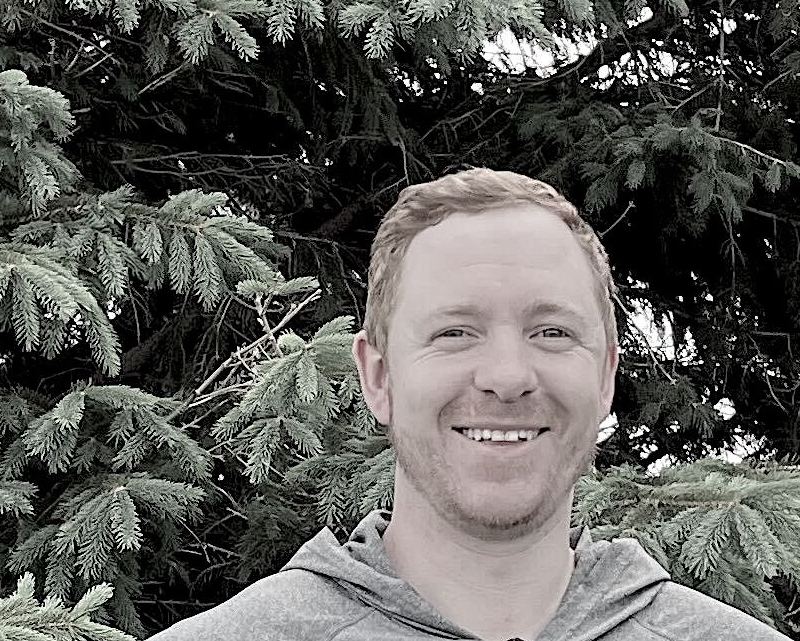
THomas Lake
Ph.D. Candidate (he/him)
B.S. U. of Minnesota
As an undergraduate, Tom began developing distribution models of invasive plants. His dissertation uses satellite imagery and neural networks to detect invasive plants and monitor their population dynamics. He has also used population genomics to examine the genetic consequences of rapid invasion.
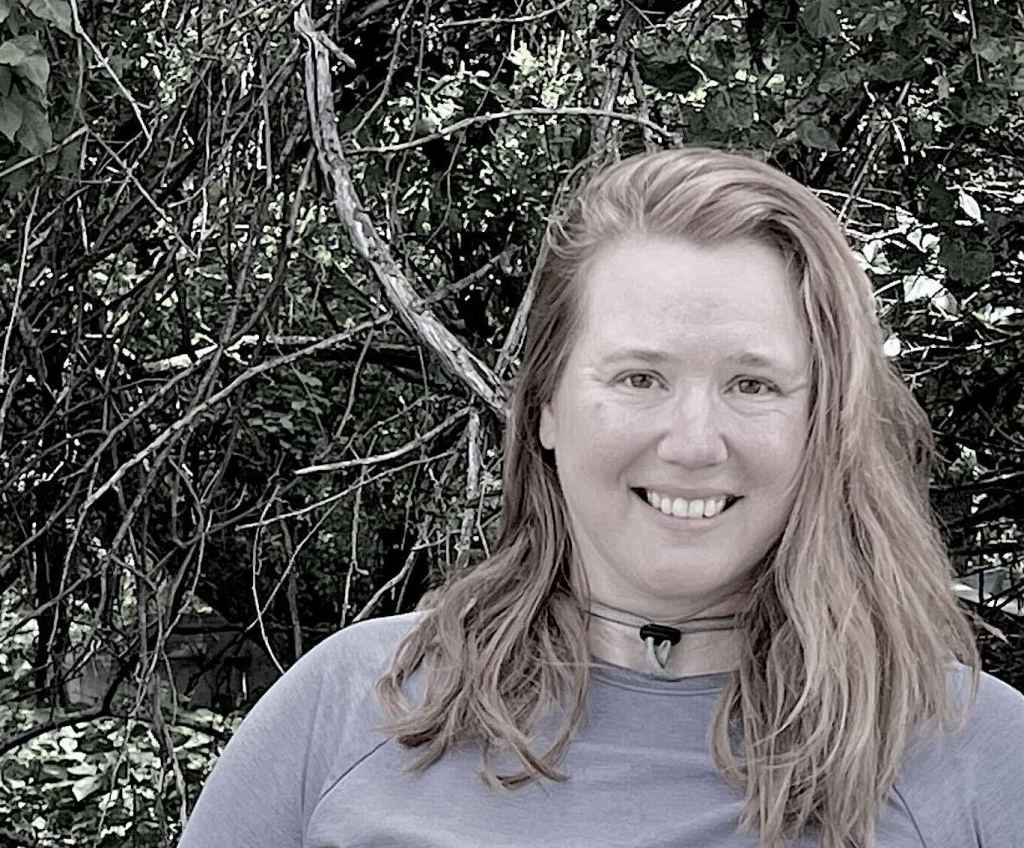
ryan briscoe runquist
Research Associate (she/her)
Ph.D. U. of California Davis
B.S. U. of Virginia
Ryan examined the role of plant-pollinator interactions in community assembly in her Ph.D. research. In the lab, she has worked on a variety topics first as a postdoc and continuing as a research associate. She is now focusing on range expansion of invasive species using modeling, field experiments, and remote sensing.
 Moeller Lab